
Blog
Is Fojatosgarto Hard to Cook? What to Know Before You Try

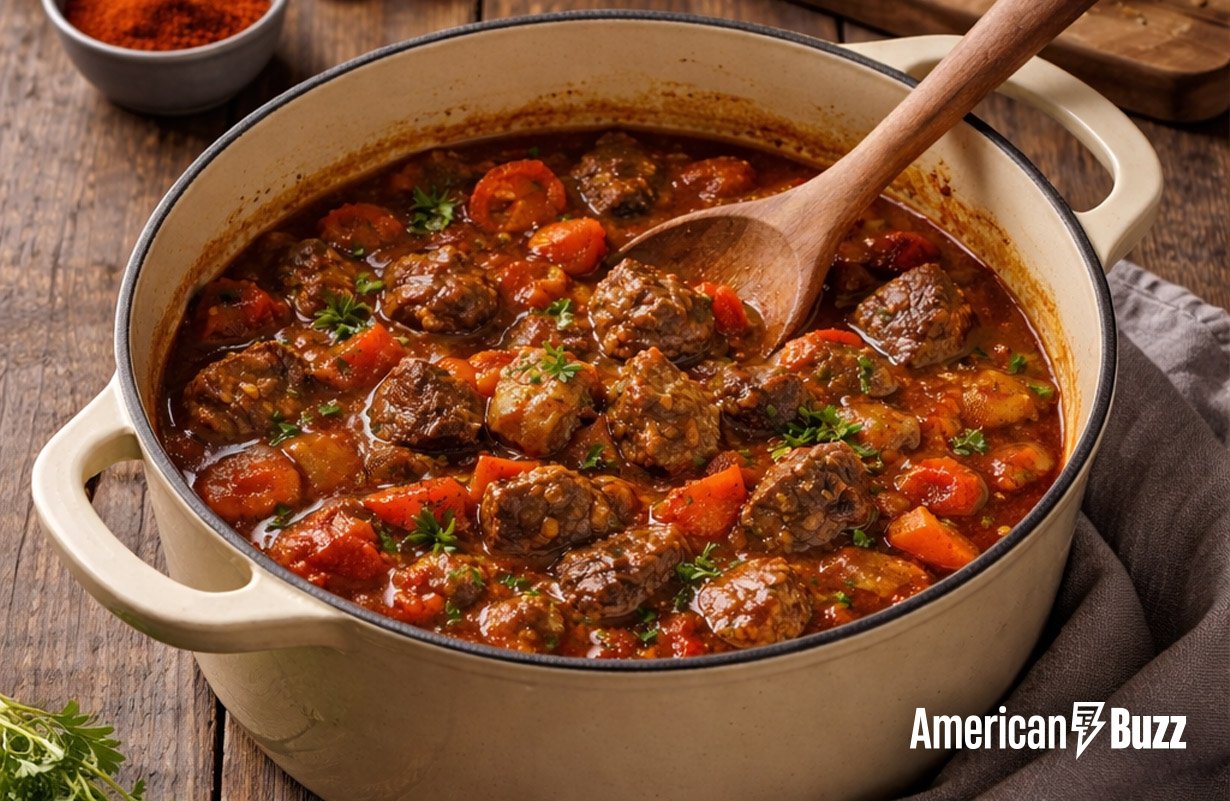
Is fojatosgarto hard to cook?
Short answer: No, it’s not hard — but it does require attention. Most people struggle with it not because it’s complex, but because they rush it or misunderstand how it should be cooked. If you can chop evenly, control the heat, and follow the steps carefully, you can cook it successfully.
The challenge with fojatosgarto is not the advanced technique. It’s timing, texture control, and patience. Once you understand those three things, it becomes very manageable in a home kitchen.
Let’s break it down clearly so you know what to expect before you try.
What Is Fojatosgarto?
Fojatosgarto is typically described as a hearty, slow-cooked dish with layered flavors and a delicate texture. Most versions involve browning a main ingredient first, then slowly cooking it with aromatics, herbs, and supporting ingredients until tender.
It behaves like a braised or stewed dish. That means flavor develops gradually. The texture changes over time. Heat management matters.
Unlike simple stir-fries or quick sautés, this dish rewards patience.
Why Does Fojatosgarto Seem Difficult to Cook?
The name sounds unfamiliar. That alone makes people assume it’s complicated.
But the real reason it seems difficult is texture sensitivity. If cooked too long, it becomes soft and loses structure. If undercooked, it feels firm and unfinished.
It also requires steady heat. Too high, and the outside cooks faster than the inside. Too low, and it doesn’t develop proper flavor.
These small details create the perception of difficulty. In reality, they are basic cooking fundamentals.
Is Fojatosgarto Actually Hard for Beginners?
For beginners, it’s moderate, not hard.
If you’re new to cooking, the main learning curve will be:
- Controlling heat
- Knowing when something is properly browned
- Recognizing doneness without overcooking
It’s not technically demanding like baking pastries or making sauces that can split. But it does require paying attention.
If you’ve made stews, braised meats, or slow-cooked dishes before, you’ll likely find it easy.
What Cooking Skills Do You Really Need?
You don’t need professional training. You need core kitchen skills:
Even Cutting
Uniform pieces cook evenly. If pieces vary in size, some will overcook while others remain underdone.
Proper Browning
Browning builds flavor. This step should not be rushed. Let ingredients sit in the pan long enough to develop color before stirring.
Heat Control
Medium heat for browning. Low to medium-low for simmering. Avoid high heat during slow cooking.
Patience
This is not a fast recipe. Flavor develops gradually. Rushing leads to uneven texture.
That’s it. No special techniques. No advanced tools.
Common Mistakes That Make Fojatosgarto Turn Out Wrong
Most failed attempts come from a few predictable errors.
1. Overcrowding the Pan
When you crowd the pan, the ingredients steam rather than brown. That reduces flavor.
Cook in batches if necessary.
2. Cooking on High Heat
High heat may seem faster, but it ruins texture. The outside becomes too soft while the inside stays firm.
3. Skipping the Resting Phase
Like many slow-cooked dishes, fojatosgarto often tastes better after resting. Letting it sit for 10–15 minutes allows flavors to settle.
4. Over-seasoning Early
Because it cooks down, flavors concentrate. Season lightly at first. Adjust near the end.
Avoid these mistakes, and the dish becomes far more manageable.
How Long Does It Take to Cook Fojatosgarto Properly?
Expect around 60–90 minutes total, depending on the method.
- 10–15 minutes prep
- 10–20 minutes browning
- 40–60 minutes slow cooking
The slow simmer is where the magic happens. Don’t rush it.
If using a Dutch oven or heavy-bottomed pot, heat distribution improves, and cooking becomes more consistent.
What Ingredients and Tools Matter Most?
You don’t need specialty equipment, but quality basics matter.
Ingredients
- Fresh aromatics (onion, garlic, herbs)
- Balanced seasoning
- Evenly sized main components
- Good cooking fat (oil or butter with stable heat tolerance)
Fresh ingredients improve the final flavor. Since this dish isn’t masked by heavy sauces, quality shows.
Tools
- Heavy-bottomed pot or Dutch oven
- Sharp knife
- Wooden spoon
- Lid for controlled simmering
That’s enough for a home cook to get excellent results.
Simple Tips to Make Fojatosgarto Easier the First Time
If you want your first attempt to succeed, follow these practical tips:
Start With Medium Heat, Then Lower
Brown first. Then reduce the heat for the long cooking stage.
Use a Timer
Check at intervals instead of guessing. Small adjustments prevent overcooking.
Taste as You Go
Flavor builds gradually. Adjust salt and seasoning near the end.
Let It Rest
After turning off the heat, keep it covered and let it sit. Texture improves, and flavors settle.
Don’t Aim for Perfection
Your first attempt may not be flawless. Focus on learning how the texture changes over time.
Each time you cook it, it becomes easier.
Is Fojatosgarto Worth the Effort Compared to Similar Dishes?
Yes — especially if you enjoy layered, slow-developed flavors.
Compared to quick one-pan meals, it takes longer. But it offers deeper flavor and a more satisfying texture.
If you enjoy dishes like braised meals, slow-cooked stews, or comfort-style cooking, you’ll likely appreciate the process.
It’s not a weeknight rush recipe. It’s better suited for relaxed cooking when you can monitor it without pressure.
Once you understand the rhythm, the process becomes straightforward.
FAQs
Is fojatosgarto harder than cooking a regular stew?
Not really. It follows similar principles. The main difference is being careful with texture and timing.
Can I cook fojatosgarto in a slow cooker?
Yes, but browning first on the stove improves flavor. Slow cookers work best after the initial sear.
How do I know when fojatosgarto is done?
It should be tender but still hold its structure. If it falls apart completely, it’s likely overcooked.
What is the biggest mistake beginners make?
Using high heat to speed things up. That usually ruins texture and flavor balance.
Can I prepare fojatosgarto ahead of time?
Yes. In fact, many slow-cooked dishes taste better the next day after flavors develop overnight.

How Old Is DD Osama in 2026? Age, Family, Height, and Net Worth

Hunxho Age, Real Name, Height and Rise in Rap

Who Is Maia Lafortezza? A Look at Adam Friedland’s Fiancée

James Bean Thornton? A Look at His Life and Connection to Billy Bob Thornton

Lydia Moynihan: Age, Career Path, and Life as a New York Post Reporter

Who Is Nikki Hakuta? Biography of Ali Wong’s Daughter

Stewart from WaveTechGlobal: What We Know So Far

Valan Slap845 Old Version Explained in Simple Words

Theoornsude: A Practical Guide to Living with Purpose

Is Aaron Pierre Married? Unraveling the Truth About His Relationship Status
Theoornsude: A Practical Guide to Living with Purpose
Is Aaron Pierre Married? Unraveling the Truth About His Relationship Status
Lydia Moynihan: Age, Career Path, and Life as a New York Post Reporter
Stewart from WaveTechGlobal: What We Know So Far
Who Is Nikki Hakuta? Biography of Ali Wong’s Daughter
Valan Slap845 Old Version Explained in Simple Words
Who Is Maia Lafortezza? A Look at Adam Friedland’s Fiancée
James Bean Thornton? A Look at His Life and Connection to Billy Bob Thornton
Hunxho Age, Real Name, Height and Rise in Rap
How Old Is DD Osama in 2026? Age, Family, Height, and Net Worth
How Old Is DD Osama in 2026? Age, Family, Height, and Net Worth
Hunxho Age, Real Name, Height and Rise in Rap
Who Is Maia Lafortezza? A Look at Adam Friedland’s Fiancée
James Bean Thornton? A Look at His Life and Connection to Billy Bob Thornton
Lydia Moynihan: Age, Career Path, and Life as a New York Post Reporter
Who Is Nikki Hakuta? Biography of Ali Wong’s Daughter
Stewart from WaveTechGlobal: What We Know So Far
Valan Slap845 Old Version Explained in Simple Words
Theoornsude: A Practical Guide to Living with Purpose
Is Aaron Pierre Married? Unraveling the Truth About His Relationship Status
-

 Tech2 months ago
YourAssistantLive Com Review: What It Is, Features, and Who It’s For
-

 Lifestyle2 months ago
All About Charli Kekuʻulani: the Daughter of Stephen Bishop and Jesiree Dizon
-

 Business2 months ago
Why People Search for IronMartOnline Reviews Before Using It
-

 Tech2 months ago
7186980499: Who’s Calling and What It Means