
Blog
Most Famous Babe Ruth Nicknames and Where They Came From

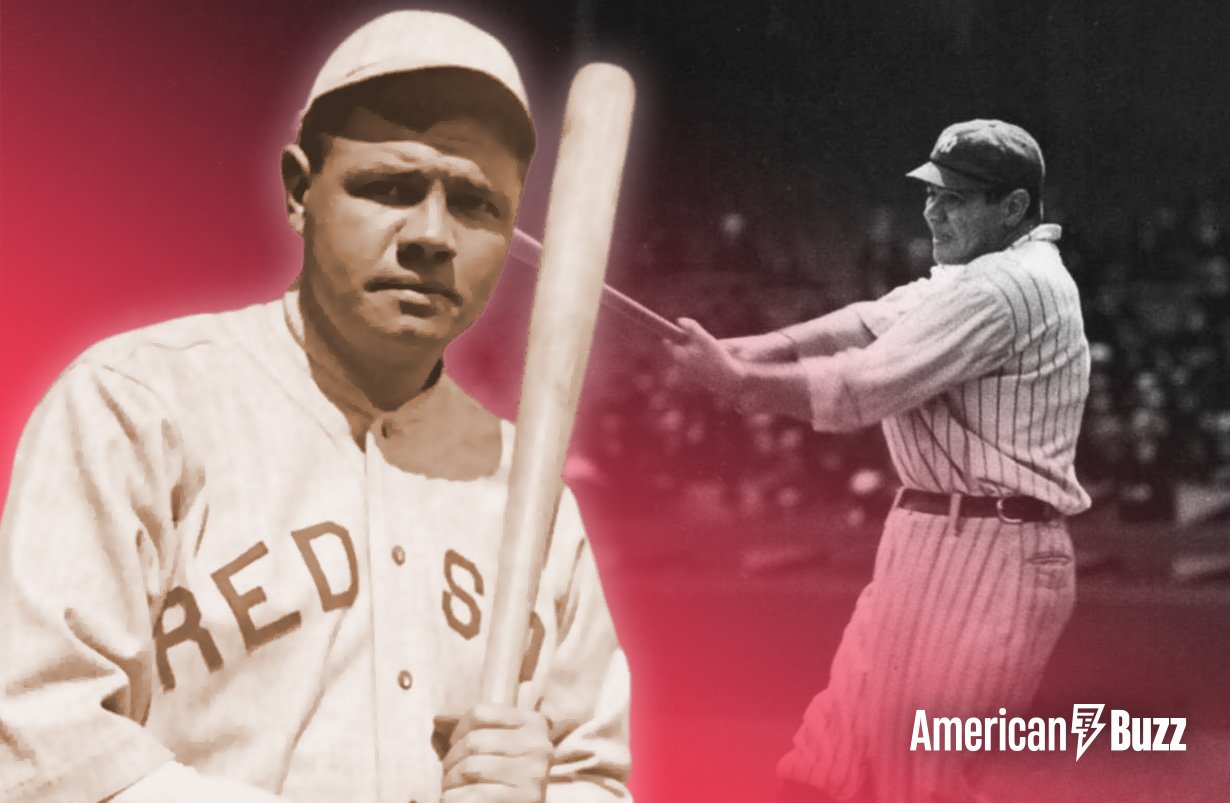
Babe Ruth had more famous nicknames than almost any athlete in history, and most of them were not random. Names like “The Bambino,” “The Sultan of Swat,” and “The Colossus of Clout” came from specific moments, media trends, and the way Ruth changed baseball forever. These nicknames weren’t just catchy phrases. They helped shape how fans saw him and how sports heroes were marketed for the first time on a national scale.
In this article, you’ll find where Babe Ruth’s most famous nicknames came from, what they actually mean, and how they spread through newspapers, radio, and popular culture. You’ll also see how writers and fans helped turn a great player into a larger-than-life legend using words as much as home runs.
Why Babe Ruth Had So Many Nicknames
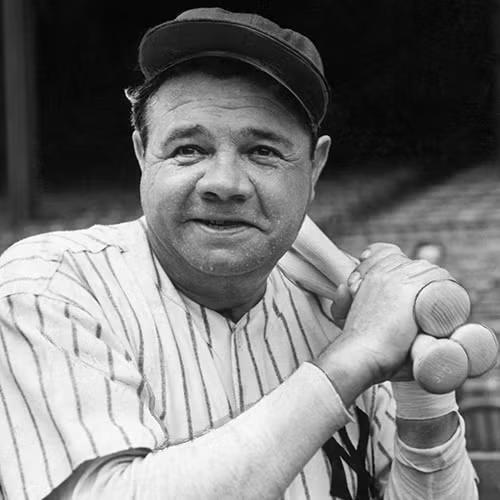
Babe Ruth played during a time when sportswriting was dramatic, creative, and highly competitive. Newspapers needed bold headlines to grab attention, and Ruth gave them endless material. He wasn’t just good—he was rewriting what offense in baseball looked like.
Before Ruth, home runs were rare and often accidental. Ruth made them the main event. As his stats exploded, writers searched for bigger language to describe him. One nickname wasn’t enough. Each new season, and sometimes each new hot streak, inspired a fresh title.
Another reason was his personality. Ruth was loud, confident, and unpredictable. He lived like a celebrity before the modern idea of a sports celebrity even existed. That mix of performance and personality made him perfect for headline-friendly names that stuck in the public mind.
The Bambino: Origin and Meaning
“The Bambino” is probably the most famous Babe Ruth nickname, and it started with something simple: the word “Babe.” His real name was George Herman Ruth Jr., but he had been called “Babe” since he was young. The Italian and Spanish word “bambino” means “little boy,” and sportswriters adapted it into something more colorful.
The nickname became especially popular after Ruth was traded from the Boston Red Sox to the New York Yankees in 1919. As he turned the Yankees into a powerhouse, “The Bambino” became a symbol of both his success and, for Red Sox fans, their heartbreak.
There’s also an irony to the name. Ruth was a big, powerful man, not a “little boy” at all. That contrast made the nickname even more memorable. Over time, “The Bambino” stopped sounding playful and started sounding legendary.
The Sultan of Swat: How It Started
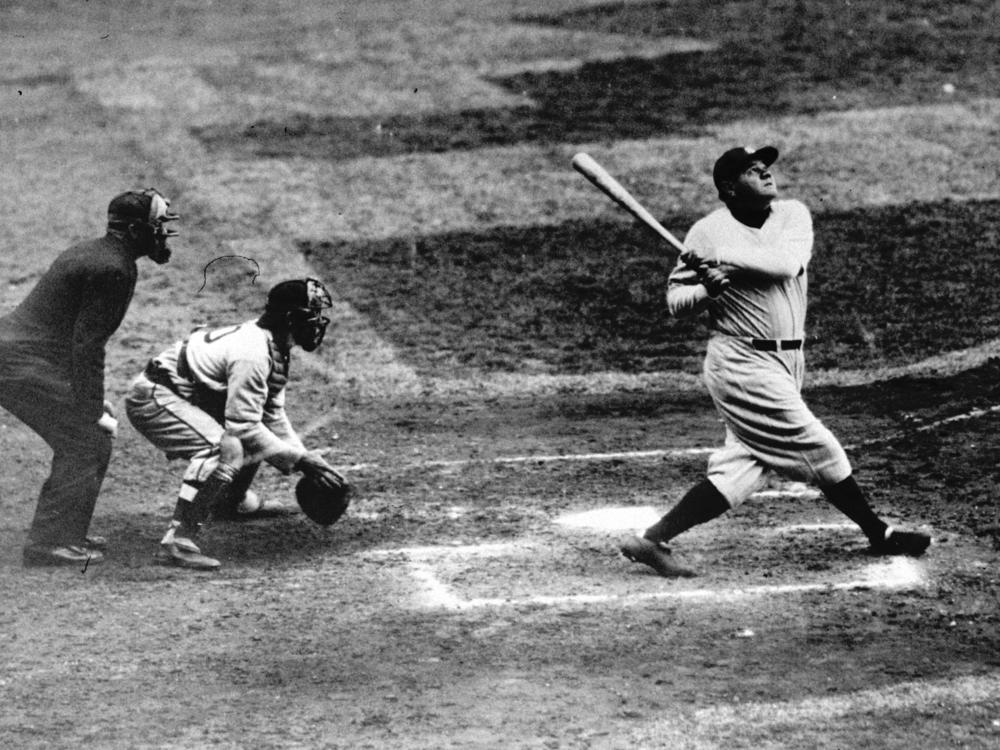
“The Sultan of Swat” was all about power. “Swat” was a common slang term for a hard hit, and Ruth was hitting the ball harder and farther than anyone had seen before. The word “Sultan” added a sense of royalty and dominance.
This nickname fit perfectly with the 1920s style of sports journalism, which loved grand, almost theatrical language. Calling Ruth the “Sultan of Swat” made him sound like a ruler of the hitting world, not just another great player.
Fans heard this name on the radio, read it in newspapers, and saw it in headlines across the country. It helped turn Ruth’s home runs into events, not just statistics. Every time he stepped up to the plate, the “Sultan” was expected to deliver.
The Colossus of Clout: What It Means
“The Colossus of Clout” might sound over-the-top today, but in Ruth’s era, it was exactly the kind of phrase that sold newspapers. A “colossus” is something huge and powerful, and “clout” means force or impact. Put together, the nickname basically means “a giant of power.”
This title focused on two things: Ruth’s physical presence and the force of his hitting. He wasn’t just beating pitchers; he was overwhelming them. The phrase also shows how writers tried to match Ruth’s performance with equally massive language.
Like many of his nicknames, this one wasn’t used by fans in everyday conversation as much as “The Bambino” or “The Sultan of Swat.” But it played a big role in building the myth around him in print.
Table: Babe Ruth’s Most Famous Nicknames and Their Origins
Here’s a quick overview of the most well-known Babe Ruth nicknames and where they came from:
| The Bambino | “Little boy,” based on “Babe” | Popularized by sportswriters, especially after he joined the Yankees |
| The Sultan of Swat | Ruler of power hitting | Created by the press to describe his home run dominance |
| The Colossus of Clout | Giant of power | Newspaper headline-style nickname emphasizing his strength |
| The Great Bambino | Expanded version of “The Bambino” | Used in articles and later in popular culture |
| Big Bam | Short, punchy power reference | Fan and media shorthand for his hitting |
These names weren’t official titles. They were tools used by writers and fans to describe something baseball had never really seen before.
Other Famous Babe Ruth Nicknames
Beyond the big three, Ruth collected a whole collection of creative names. Some were used often, others mostly in headlines or feature stories.
You might come across names like “The King of Crash,” “The Maharaja of Mash,” “The Caliph of Clout,” and “The Rajah of Rap.” These followed a pattern: a grand title paired with a word that meant hitting the ball hard.
There was also “Big Bam,” a simpler, more casual nickname that focused on the sound and impact of his hits. And “The Great Bambino” became a more dramatic version of his most famous name, later reused in movies and pop culture.
Not all of these are stuck in everyday speech, but together they show how desperate writers were to keep finding new ways to describe the same problem: Babe Ruth was doing things no one else could.
Who Created Babe Ruth Nicknames
Most of Ruth’s nicknames came from sportswriters, not from Ruth himself. One of the most influential was Grantland Rice, a famous writer known for poetic, dramatic language. He and others like him treated sports as storytelling, not just reporting.
Editors also played a role. A catchy nickname made a better headline, and better headlines sold more papers. Once a phrase appeared in print a few times, radio announcers picked it up, and then fans started repeating it.
Ruth didn’t need to invent his own image. The media did that for him, and his performance made their job easy.
How Babe Ruth’s Nicknames Built His Legacy
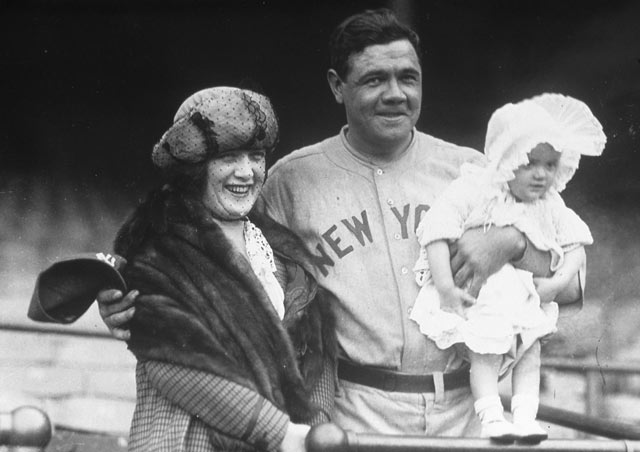
Nicknames didn’t just describe Babe Ruth. They helped define him. In an era before social media and 24/7 sports coverage, these titles made him feel bigger than life to people who might never see him play in person.
They also helped standardize the idea of the sports superstar. Later legends like Joe DiMaggio, Mickey Mantle, and others would also get famous nicknames, but Ruth was the blueprint.
When people talk about Babe Ruth today, they often use these nicknames without even thinking about it. That’s how deeply they became part of his story.
Conclusion
Babe Ruth nicknames weren’t accidents or gimmicks. They were the result of a perfect mix of historical performance, colorful journalism, and a public ready for its first true sports icon. Names like “The Bambino,” “The Sultan of Swat,” and “The Colossus of Clout” helped turn great seasons into lasting legend.
More than a century later, those nicknames still tell the story of how one player changed baseball—and how words helped make him immortal.
FAQs
What was Babe Ruth’s real name?
His real name was George Herman Ruth Jr. “Babe” was a childhood nickname that stayed with him for life.
Which Babe Ruth nickname is the most famous?
“The Bambino” is generally considered his most famous and most widely used nickname.
Did Babe Ruth create any of his own nicknames?
No, most of his nicknames were created by sportswriters and the media, not by Ruth himself.
Why did sportswriters give Babe Ruth so many nicknames?
His performance was unprecedented, and newspapers wanted dramatic, memorable language to describe his impact on the game.
Are Babe Ruth nicknames still used today?
Yes. Names like “The Bambino” and “The Sultan of Swat” are still commonly used in books, documentaries, and sports media.

Connectivity Issues HSSGamepad: What Causes Disconnections and How to Fix Them

Problems with Dropbox 8737.idj.029.22: Causes, Fixes, and What to Check First

Who Is Ramtin Abdo? A Look at the Man Behind the Name

Damon Darling Net Worth in 2026: How Did TikTok Star Get Rich?

Who Is Jimmy Johnson’s Wife? A Closer Look at Rhonda Rookmaaker

Nicole Flenory Net Worth in 2026: Latest Estimates and Real Insights

Michael Rainey Jr Net Worth 2026: Earnings, Salary, and Assets

Meet Robert Attenborough: The Life of David Attenborough’s Son

Who Is Casey Beane? Inside the Life of Billy Beane’s Daughter

Who Is Chewy Thompson? Age, Career, Weight Loss Journey, and Rise to Fame
Connectivity Issues HSSGamepad: What Causes Disconnections and How to Fix Them
Problems with Dropbox 8737.idj.029.22: Causes, Fixes, and What to Check First
Who Is Ramtin Abdo? A Look at the Man Behind the Name
Damon Darling Net Worth in 2026: How Did TikTok Star Get Rich?
Who Is Jimmy Johnson’s Wife? A Closer Look at Rhonda Rookmaaker
Nicole Flenory Net Worth in 2026: Latest Estimates and Real Insights
Michael Rainey Jr Net Worth 2026: Earnings, Salary, and Assets
Meet Robert Attenborough: The Life of David Attenborough’s Son
Who Is Casey Beane? Inside the Life of Billy Beane’s Daughter
Who Is Chewy Thompson? Age, Career, Weight Loss Journey, and Rise to Fame
-

 Lifestyle8 months ago
All About Charli Kekuʻulani: the Daughter of Stephen Bishop and Jesiree Dizon
-

 Tech8 months ago
YourAssistantLive Com Review: What It Is, Features, and Who It’s For
-
 Celebrity7 months ago
How Old Is Mr. T in 2026? Age, Net Worth, Wife, and Family Details
-

 News7 months ago
Lydia Moynihan: Age, Career Path, and Life as a New York Post Reporter