Health
Celebrities With Noonan Syndrome You May Not Know About

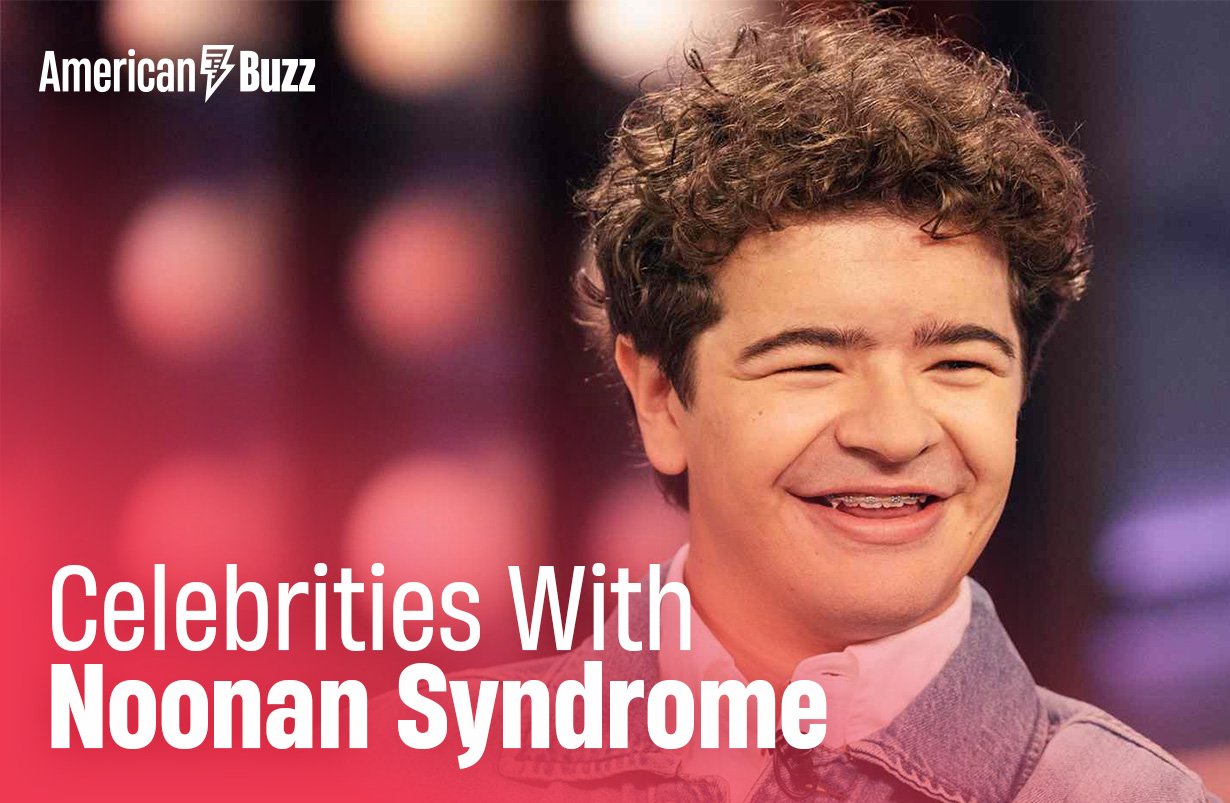
Celebrities with Noonan syndrome are rarely discussed, not because the condition lacks significance, but because it is both uncommon and highly variable. Only a small number of public figures have openly shared their diagnosis, helping bring attention to a genetic condition that affects growth, physical development, and heart health in different ways.
For readers searching for a clear answer, the reality is simple: there are only a limited number of celebrities with Noonan syndrome who have publicly confirmed their diagnosis. Those confirmations come through interviews, advocacy work, or first-person accounts. Lists built on speculation are common online, but responsible coverage relies on verified disclosure.
As conversations around disability, genetics, and representation have widened, these disclosures have taken on greater cultural weight, offering visibility to a condition many people encounter only in medical settings.
What Is Noonan Syndrome?
Noonan syndrome is a genetic condition that affects approximately 1 in 1,000 to 2,500 people worldwide, according to clinical genetics research. It is caused by mutations that disrupt the RAS/MAPK signaling pathway, which plays a key role in cell growth and development.
People with Noonan syndrome may experience short stature, distinctive facial features, learning differences, and congenital heart defects. Severity varies widely. Some individuals require early medical intervention, while others are diagnosed later in life after mild or unexplained symptoms.
This variability is one reason the condition remains underrecognized outside medical circles.
Celebrities Who Have Publicly Disclosed Noonan Syndrome
Gaten Matarazzo
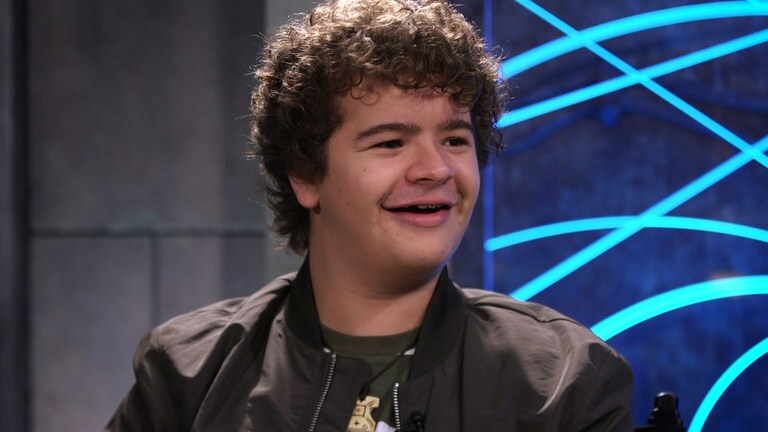
Gaten Matarazzo is the most widely recognized celebrity with Noonan syndrome. Best known for his role on Stranger Things, he has spoken openly about being born with the condition and undergoing multiple surgeries related to bone and facial development.
Matarazzo has also supported organizations focused on craniofacial and genetic conditions, helping normalize visible differences in mainstream entertainment.
Mika
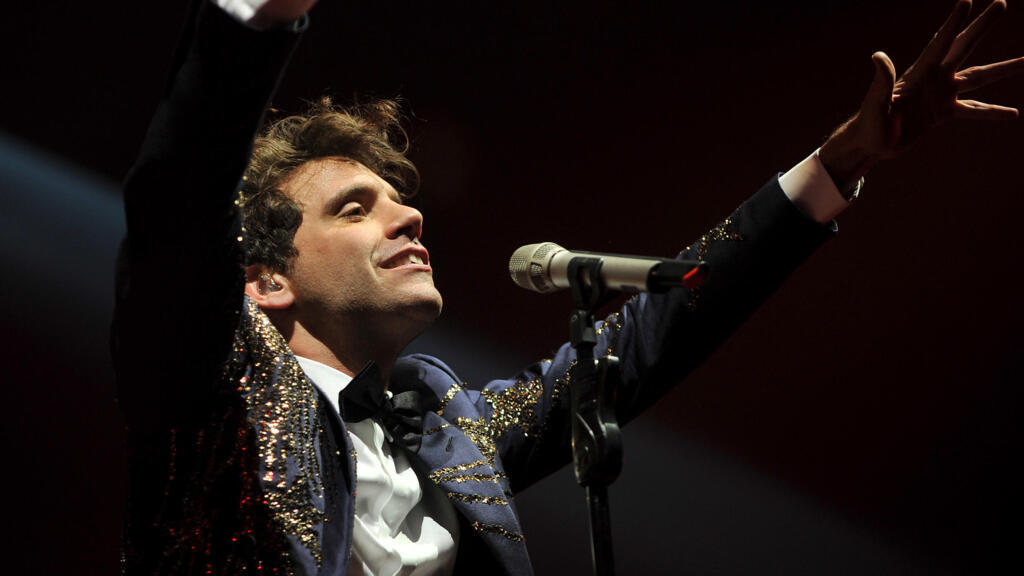
Pop singer Mika has publicly shared that he has Noonan syndrome, discussing delayed growth and health challenges during childhood. His openness has resonated with fans who rarely see successful musicians speak candidly about genetic conditions.
Mika’s career illustrates how Noonan syndrome does not preclude creative or professional success.
Brad Silverman
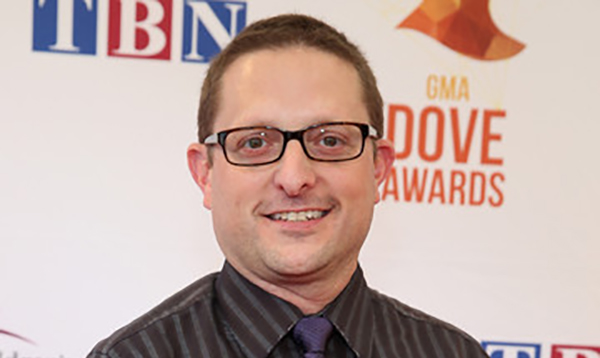
Actor and disability advocate Brad Silverman has confirmed that he lives with Noonan syndrome. In addition to his acting work, he has participated in awareness efforts focused on genetic and developmental conditions.
Silverman’s advocacy highlights how visibility often happens outside blockbuster roles, through education and community engagement.
Chris Ulmer
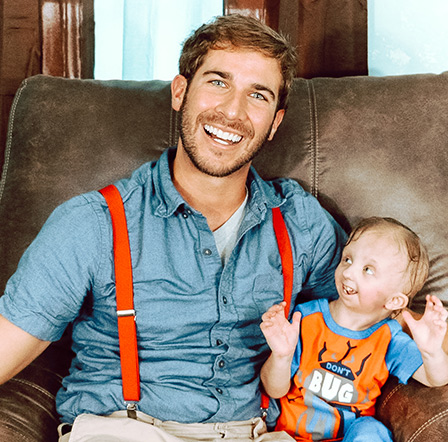
Chris Ulmer, founder of Special Books by Special Kids, has spoken openly about having Noonan syndrome. While not a traditional entertainment celebrity, Ulmer is a well-known public figure whose interviews reach millions.
His work reframes disability through storytelling and representation rather than solely through diagnosis.
Jayson Blair
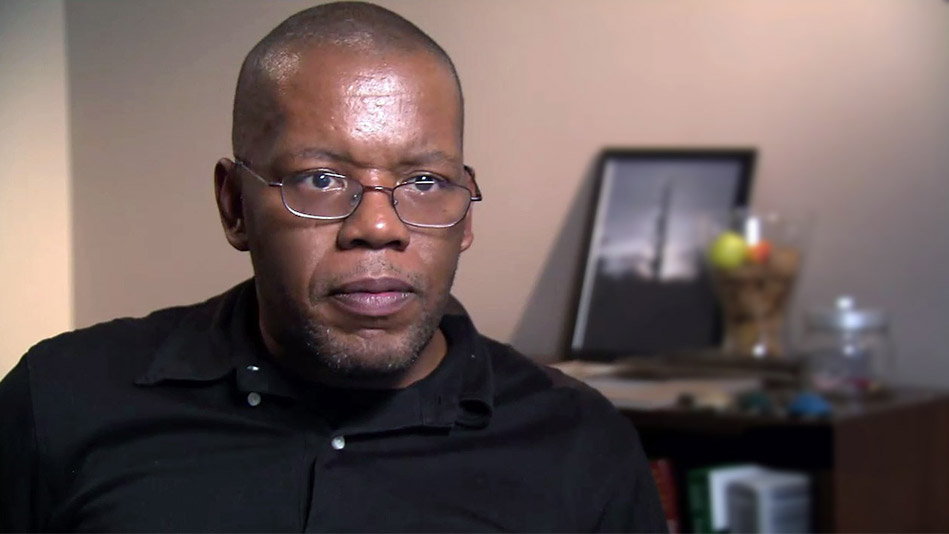
Motivational speaker Jayson Blair has publicly discussed growing up with Noonan syndrome. Through school programs and public talks, he addresses both the medical realities and social misconceptions associated with rare genetic conditions.
His presence reflects how public influence today extends beyond film and music.
Taylor G. Morris
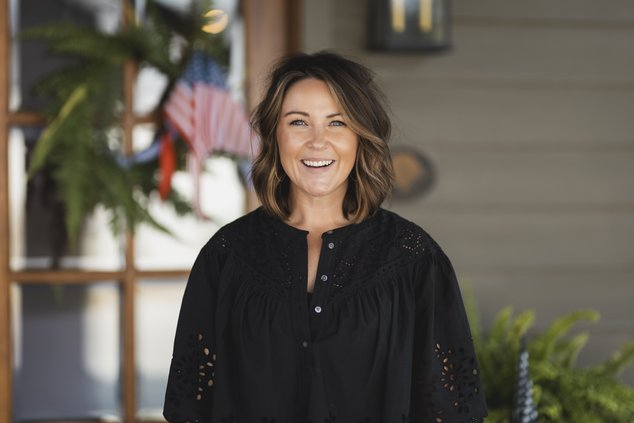
Taylor G. Morris is a public speaker and advocate who has spoken about living with Noonan syndrome. His work focuses on self-confidence, accessibility, and inclusion, particularly for young people navigating visible or invisible disabilities.
Though less known in traditional media, Morris represents a growing group of digital-era public figures whose impact comes through education and advocacy.
What Many Articles Miss About Noonan Syndrome
Coverage of celebrities with Noonan syndrome often overlooks two key realities. First, the condition does not present the same way in every individual. Second, advances in genetic testing mean more people are being diagnosed later in life, reshaping how prevalence is understood.
Medical experts emphasize that outward appearance alone is not a reliable indicator, which is why speculation about public figures is both inaccurate and ethically problematic.
Timeline of Awareness and Public Disclosure
- Pre-2000s: Noonan syndrome was largely confined to medical literature
- 2000s–2010s: Improved genetic testing increases diagnoses
- Late 2010s: First major entertainment figures speak publicly
- 2020s: Advocacy-led discussions replace rumor-based lists
This shift reflects broader changes in health journalism and celebrity culture.
Outlook: Visibility Without Speculation
The number of celebrities with Noonan syndrome who choose to speak publicly may grow, but it will likely remain limited. Medical information is personal, and disclosure is a choice.
What has changed is the quality of discussion. Verified stories now carry more weight than unconfirmed claims, and awareness is increasingly shaped by education rather than curiosity alone.
FAQs
What is Noonan syndrome?
Noonan syndrome is a genetic condition that affects physical development, growth, and heart health, with symptoms that vary widely.
Which celebrities have confirmed Noonan syndrome?
Publicly confirmed figures include Gaten Matarazzo, Mika, Brad Silverman, Chris Ulmer, Jayson Blair, and Taylor G. Morris.
Is Noonan syndrome rare?
Yes. It affects roughly 1 in 1,000 to 2,500 people worldwide.
Can people with Noonan syndrome live independent lives?
Many do, depending on individual symptoms and access to medical care.


Connectivity Issues HSSGamepad: What Causes Disconnections and How to Fix Them

Problems with Dropbox 8737.idj.029.22: Causes, Fixes, and What to Check First

Who Is Ramtin Abdo? A Look at the Man Behind the Name

Damon Darling Net Worth in 2026: How Did TikTok Star Get Rich?

Who Is Jimmy Johnson’s Wife? A Closer Look at Rhonda Rookmaaker

Nicole Flenory Net Worth in 2026: Latest Estimates and Real Insights

Michael Rainey Jr Net Worth 2026: Earnings, Salary, and Assets

Meet Robert Attenborough: The Life of David Attenborough’s Son

Who Is Casey Beane? Inside the Life of Billy Beane’s Daughter

Who Is Chewy Thompson? Age, Career, Weight Loss Journey, and Rise to Fame
Connectivity Issues HSSGamepad: What Causes Disconnections and How to Fix Them
Problems with Dropbox 8737.idj.029.22: Causes, Fixes, and What to Check First
Who Is Ramtin Abdo? A Look at the Man Behind the Name
Damon Darling Net Worth in 2026: How Did TikTok Star Get Rich?
Who Is Jimmy Johnson’s Wife? A Closer Look at Rhonda Rookmaaker
Nicole Flenory Net Worth in 2026: Latest Estimates and Real Insights
Michael Rainey Jr Net Worth 2026: Earnings, Salary, and Assets
Meet Robert Attenborough: The Life of David Attenborough’s Son
Who Is Casey Beane? Inside the Life of Billy Beane’s Daughter
Who Is Chewy Thompson? Age, Career, Weight Loss Journey, and Rise to Fame
-
 Lifestyle7 months ago
All About Charli Kekuʻulani: the Daughter of Stephen Bishop and Jesiree Dizon
-

 Tech7 months ago
YourAssistantLive Com Review: What It Is, Features, and Who It’s For
-
 Blog7 months ago
Most Famous Babe Ruth Nicknames and Where They Came From
-

 Business7 months ago
Why People Search for IronMartOnline Reviews Before Using It